What is a Ceiling Fan Used For? Is It Useful?
The ceiling fan is a practical device commonly used in many homes and workplaces. It’s not only for cooling but also offers several benefits that can make our living spaces more comfortable. In this blog post, we’ll explore what a ceiling fan does and the advantages it provides.
-
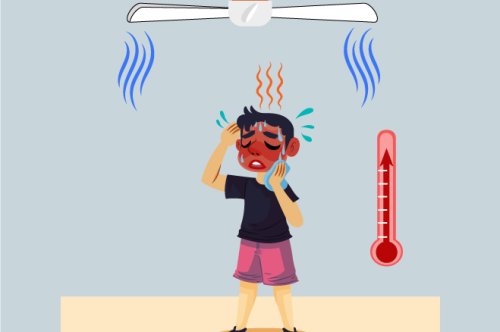
Cooling and Air Circulation: The primary function of a ceiling fan is to provide cooling and improve air circulation. As the fan rotates, it moves the surrounding air, creating a breeze that cools your body. Especially during the summer months, using a ceiling fan can reduce dependence on air conditioning systems and help save energy.
-
Heat Distribution: A ceiling fan doesn’t just cool the room—it can also help distribute heat effectively. During the winter, by running the fan in reverse at a low speed, you can push the warm air accumulated near the ceiling down into the room. This allows for a more balanced room temperature and can reduce heating costs.
-
Ventilation: Poor ventilation can negatively affect homes and workplaces. A ceiling fan helps circulate the air, improving fresh air flow and eliminating unpleasant odors. This benefit becomes even more noticeable when used in kitchens or bathrooms.
-
Decorative and Lighting Options: In addition to being functional, ceiling fans can also serve as decorative elements. They come in a variety of styles and designs, allowing you to choose one that complements your interior décor. Some ceiling fans also feature integrated lighting, enabling you to both cool and illuminate your room at the same time.
In conclusion, a ceiling fan is a versatile device that offers multiple benefits such as cooling, air circulation, heat distribution, and ventilation. It can be used throughout both summer and winter to save energy and make your living spaces more comfortable. Moreover, with its decorative options, it can add an aesthetic touch to your interiors. A ceiling fan can help create a better living environment for your home or workplace.